Have you ever wondered what goes into the fabrics that make up so much of our daily lives? As someone deeply involved in the textile industry, I often find clients asking me to demystify the core component behind durable and versatile materials. That core is Polyester Raw Material. At Shanshan, we believe understanding this foundation is key to making informed sourcing decisions. This blog will walk you through what polyester raw material truly is and how it’s transformed from basic elements into the high-performance fibers you rely on.
What Exactly Constitutes Polyester Raw Material?
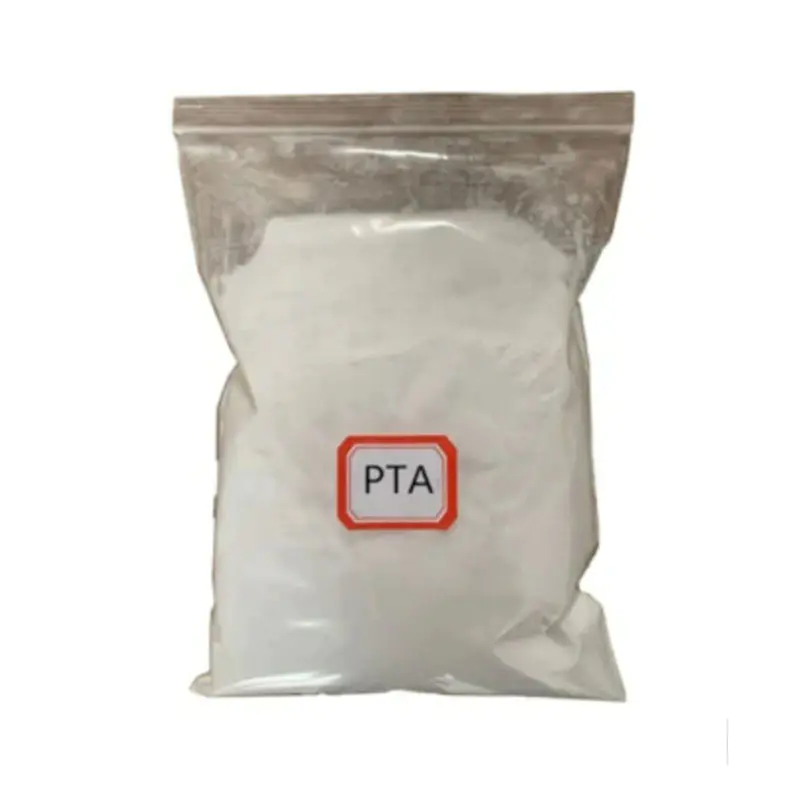
Fundamentally, polyester raw material refers to the polymer substance known as polyethylene terephthalate (PET). This is derived from petroleum-based chemicals, primarily purified terephthalic acid (PTA) and monoethylene glycol (MEG). Think of it as the essential building block, much like raw dough before it’s baked into bread. The quality and properties of the final fiber are dictated here. At Shanshan, we source and produce premium-grade polymer, ensuring our polyester raw material sets the standard for consistency and performance.
How Is the Polyester Polymer Created?
The journey begins with a chemical reaction called polymerization. PTA and MEG are combined under high temperature and vacuum pressure. This process causes the molecules to link into long, repetitive chains, forming the molten PET polymer. This melt can then be directly spun into fibers or solidified and cut into chips. These chips are a stable form of polyester raw material, allowing for storage, transportation, and later melting for spinning. Our manufacturing precision at this stage is critical, as it defines the texture, strength, and durability of the end product.
What Are the Key Parameters of High-Quality Polyester Chips?
Not all polyester raw material is created equal. For engineers and purchasers, specifications are everything. Here are the vital parameters we control at Shanshan:
-
Intrinsic Viscosity (IV): Dictates the polymer chain length and molecular weight, directly influencing fiber strength.
-
Melting Point: A consistent melting point ensures stable processing during spinning.
-
Color Values (L, b, a): Critical for achieving bright, white, or consistently dyed fibers.
-
Carboxyl End Group (CEG) Content: Lower values indicate higher hydrolytic stability and better resistance to degradation.
-
Diethylene Glycol (DEG) Content: Affects the crystallization rate and dyeability of the fiber.
For a quick comparison, here’s a snapshot of our standard chip specifications:
|
Parameter
|
Unit
|
Standard Specification
|
Importance
|
|
Intrinsic Viscosity (IV)
|
dl/g
|
0.640 ± 0.010
|
Determines tensile strength & spinning performance
|
|
Melting Point
|
°C
|
≥ 259
|
Ensures thermal stability in processing
|
|
DEG Content
|
wt%
|
1.30 ± 0.10
|
Influences dye uptake and fiber softness
|
|
Carboxyl End Groups
|
mol/t
|
≤ 30
|
Indicates superior resistance to aging and hydrolysis
|
How Are Fibers Spun From This Raw Material?
The solid polyester raw material chips are meticulously dried, melted, and forced through a spinneret—a tool with tiny holes. As the thin streams of polymer exit, they cool and solidify into continuous filaments. This is where science meets customization. By adjusting the hole shape, spin speed, and drawing tension, we can create a vast array of fibers. We can engineer everything from fine, soft microfibers for luxurious fabrics to high-tenacity fibers for industrial use. This versatility is why Shanshan invests heavily in advanced spinning technology, ensuring our clients get exactly the fiber characteristics their application demands.
Why Does the Source of Your Polyester Raw Material Matter?
In my experience, the most common pain points—inconsistent yarn strength, poor dye uptake, or batch-to-batch variation—almost always trace back to the quality of the initial polyester raw material. Impurities, unstable IV, or irregular chip size can derail your entire production run. That’s why vertical integration and rigorous quality control from the polymer stage are non-negotiable. At Shanshan, we oversee the entire chain, giving you peace of mind and a reliable product that performs predictably in your mills.
We hope this clarifies the journey of polyester from raw material to fiber. If you are looking for a supplier that prioritizes the foundational quality of its polyester raw material to ensure your end-product’s success, let’s talk. Contact us today to discuss your specific requirements or to request samples of Shanshan’s reliable polymer chips and fibers. We are here to provide solutions and help your business thrive.