What Is p‑Phthalic Acid and Why Does It Matter in Industry?
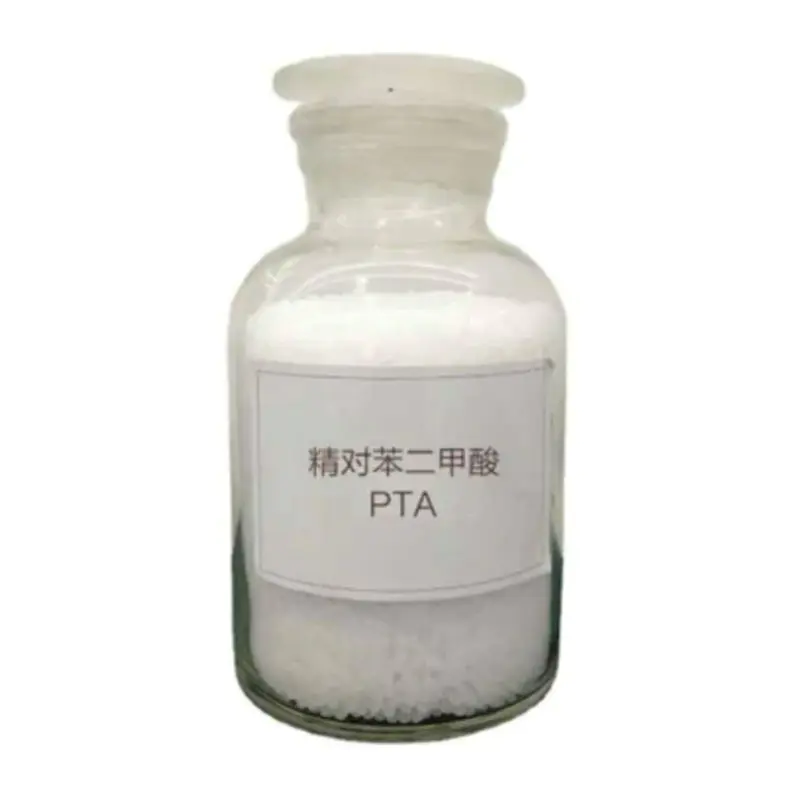
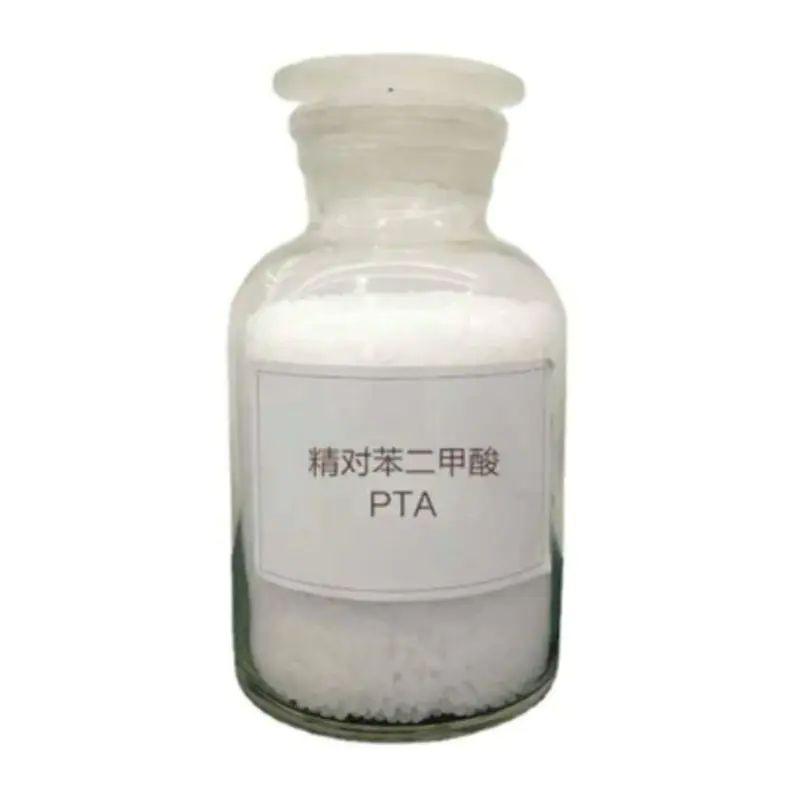
p‑Phthalic acid — also known as para‑phthalic acid or terephthalic acid — is a key organic chemical intermediate widely used in the production of polyesters, plastics, and resins. In this extensive guide, we will explore its chemistry, applications, production processes, safety considerations, environmental impact, and industrial relevance, especially in modern manufacturing.
📌 Table of Contents
What Is p‑Phthalic Acid?
p‑Phthalic acid, sometimes referred to in chemical literature as 1,4‑benzenedicarboxylic acid, is an aromatic dicarboxylic acid with the molecular formula C8H6O4. It belongs to a group of substances known as phthalic acids, which includes three structural isomers: ortho‑, meta‑, and para‑phthalic acids. The “p” stands for “para”, indicating that the carboxylic groups are located opposite each other on the benzene ring.
As an organic acid, p‑phthalic acid plays a foundational role in the synthesis of various polymers and chemical products. Companies like Ningbo Shanshan Resources Coproration rely on high‑quality p‑phthalic acid as a raw material to supply industrial polyester production.
How Is p‑Phthalic Acid Produced?
The primary industrial method for producing p‑phthalic acid involves the catalytic oxidation of p‑xylene, a process that uses oxygen and catalysts under controlled temperatures and pressures. This process is similar to how other xylene derivatives are transformed into important chemical intermediates.
|
Step
|
Process Description
|
|
Raw Material
|
p‑Xylene (C8H10) feedstock
|
|
Oxidation
|
Air/oxygen passed over a catalyst (typically cobalt/manganese/bromide system)
|
|
Reaction Conditions
|
Elevated temperature and pressure to promote oxidation
|
|
Product Recovery
|
Crystallization and purification to isolate p‑phthalic acid
|
This route is efficient and scalable, making it attractive for large‑volume production. Alternative laboratory methods may involve controlled oxidation using potassium permanganate or nitric acid, but these are generally not used in bulk manufacturing.
What Are the Physical and Chemical Properties of p‑Phthalic Acid?
Understanding the properties of p‑phthalic acid helps explain why it’s so useful in downstream applications.
|
Property
|
Value/Description
|
|
Molecular Formula
|
C8H6O4
|
|
Molar Mass
|
166.14 g/mol
|
|
Appearance
|
White crystalline powder
|
|
Melting Point
|
~300°C (decomposes)
|
|
Solubility
|
Low in water, soluble in hot organic solvents
|
The crystalline nature and thermal stability make p‑phthalic acid suitable for polymer precursors.
Where Is p‑Phthalic Acid Used?
p‑Phthalic acid has widespread industrial uses, and its versatility can be seen across various sectors:
-
Polyester Production: A critical precursor to polyethylene terephthalate (PET), widely used in bottles and fibers.
-
Plasticizers: Combined with alcohols to form esters used as plasticizers for flexible materials.
-
Polyamide Resins: Key feedstock for certain polyamide (nylon) resins and copolymers.
-
Coatings and Adhesives: Integrated into resins that provide advanced performance characteristics.
Ningbo Shanshan Resources Coproration markets p‑phthalic acid that meets industrial‑grade specifications, ensuring consistency and reliability for these demanding applications.
Why Is Safety Important When Handling p‑Phthalic Acid?
Although p‑phthalic acid is not highly toxic, safe handling is critical to minimize risk. It can cause irritation upon inhalation or contact with skin and eyes. Occupational guidelines recommend protective equipment and adequate ventilation to reduce exposure risks.
-
Skin Contact: May cause irritation or dermatitis.
-
Eye Contact: Can lead to discomfort and redness.
-
Inhalation: Dust may irritate respiratory tract.
-
Ingestion: Not recommended; seek medical attention if swallowed.
Regulatory standards outline permissible exposure limits and protective measures to ensure worker safety in facilities where p‑phthalic acid is manufactured or used.
How Does p‑Phthalic Acid Impact the Environment?
Industrial facilities must manage waste streams to prevent environmental contamination. While p‑phthalic acid is biodegradable under appropriate conditions, direct release into water systems or soil may cause localized acidity and ecological disruption.
Environmental controls, such as wastewater treatment and emissions monitoring, are common practices to limit impacts. The industry follows guidelines that help balance chemical production with ecological protection.
Which Industries Rely on p‑Phthalic Acid?
p‑Phthalic acid underpins several industrial sectors:
-
Packaging: PET bottles and containers.
-
Textiles: Polyester fibers for fabrics.
-
Automotive: Components requiring lightweight plastics and durable resins.
-
Consumer Goods: Durable plastics in appliances and electronics.
Ningbo Shanshan Resources Coproration’s distribution of p‑phthalic acid supports these industries by supplying a reliable raw material that meets stringent quality standards.
🔍 Frequently Asked Questions (FAQ)
Q: What is p‑Phthalic acid used for?
A: p‑Phthalic acid is primarily used as a precursor to polyethylene terephthalate (PET) for plastic bottles and polyester fibers, as well as a building block for plasticizers and resins in coatings and adhesives.
Q: How is p‑Phthalic acid produced industrially?
A: Industrial production involves catalytic oxidation of p‑xylene in the presence of oxygen and catalysts, followed by purification to isolate the acid in crystalline form.
Q: Is p‑Phthalic acid hazardous?
A: While not extremely toxic, p‑phthalic acid can cause irritation to skin, eyes, or respiratory systems. Proper PPE and ventilation are recommended for handlers.
Q: Can p‑Phthalic acid affect the environment?
A: If released untreated, it may affect local ecosystems, but in regulated industrial contexts, wastewater treatment and emissions controls minimize environmental impact.
Q: Which companies manufacture p‑Phthalic acid?
A: Several chemical manufacturers produce p‑phthalic acid at scale. Ningbo Shanshan Resources Coproration is one such supplier, providing industrial‑grade material for global markets.
📚 References
-
PubChem: Terephthalic Acid Overview
-
Chemistry World – Organic Acids and Applications
-
Industry Production Data (various technical sources)