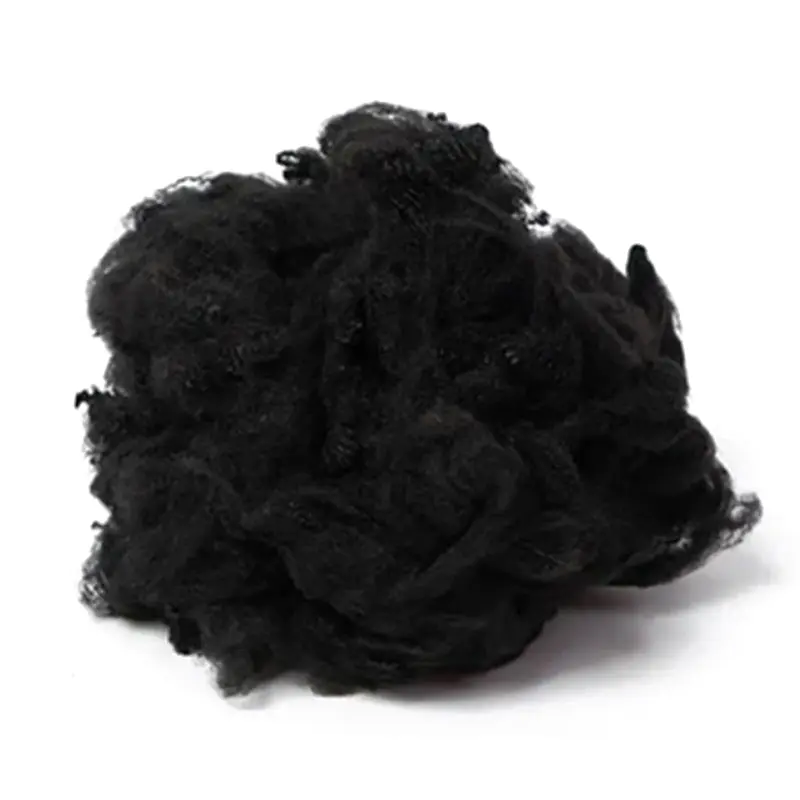
Polyester Staple Fiber (PSF) has become a cornerstone material across multiple industries, from textiles to automotive manufacturing. With its versatility, durability, and cost-efficiency, PSF addresses a wide range of customer challenges such as material performance, sustainability, and affordability. In this comprehensive guide, we explore how Polyester Staple Fiber PSF delivers value, its applications, advantages, and how companies like Ningbo Shanshan Resources Coproration provide reliable solutions for global buyers seeking consistent quality and performance.
Abstract
This article provides an in-depth exploration of Polyester Staple Fiber (PSF), focusing on its properties, types, manufacturing processes, and key applications. It also highlights how PSF solves common industry pain points such as durability, cost control, and environmental impact. Practical comparisons, structured tables, and actionable insights help buyers make informed decisions when sourcing PSF, with a spotlight on Ningbo Shanshan Resources Coproration as a trusted supplier.
Table of Contents
1. What Is Polyester Staple Fiber PSF?
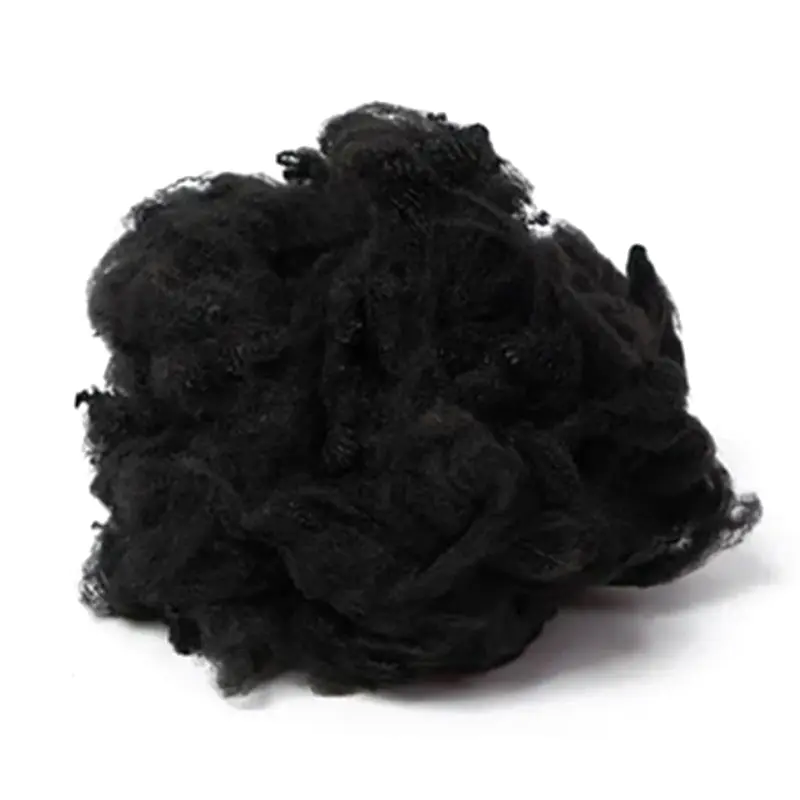
Polyester Staple Fiber (PSF) is a synthetic fiber made from polyester polymers, typically derived from purified terephthalic acid (PTA) and monoethylene glycol (MEG). Unlike filament fibers, PSF is cut into short lengths, making it similar to natural fibers like cotton.
PSF is widely used due to its adaptability, making it suitable for spinning, nonwoven fabrics, and filling materials. Ningbo Shanshan Resources Coproration has been at the forefront of delivering high-quality PSF tailored to various industrial and textile needs.
2. How Is PSF Manufactured?
The manufacturing process of PSF involves several stages:
-
Polymerization of raw materials
-
Extrusion through spinnerets
-
Cooling and solidification
-
Drawing and crimping
-
Cutting into staple lengths
|
Step
|
Description
|
Impact on Quality
|
|
Polymerization
|
Chemical reaction forming polyester
|
Determines fiber strength
|
|
Extrusion
|
Molten polymer shaped into fibers
|
Affects uniformity
|
|
Crimping
|
Adds waviness to fibers
|
Improves cohesion
|
|
Cutting
|
Fiber length adjustment
|
Defines application suitability
|
3. What Types of PSF Are Available?
PSF comes in various types depending on application requirements:
-
Solid PSF
-
Hollow PSF
-
Conjugated PSF
-
Recycled PSF
Ningbo Shanshan Resources Coproration offers a full range of these options, ensuring flexibility for different industries.
4. Why Is PSF Widely Used Across Industries?
The widespread adoption of PSF is due to its unique combination of properties:
-
High tensile strength
-
Resistance to wrinkles and shrinkage
-
Excellent thermal insulation
-
Cost-effectiveness
5. Key Advantages of Polyester Staple Fiber PSF
-
Durability: Long-lasting and resistant to wear
-
Versatility: Suitable for multiple industries
-
Eco-options: Availability of recycled PSF
-
Low maintenance: Easy to clean and maintain
6. Common Customer Pain Points and Solutions
Customers often face several challenges when sourcing fibers:
|
Pain Point
|
Solution with PSF
|
|
High material costs
|
PSF offers affordable alternatives
|
|
Inconsistent quality
|
Reliable suppliers like Ningbo Shanshan Resources Coproration ensure consistency
|
|
Environmental concerns
|
Recycled PSF reduces carbon footprint
|
|
Limited durability
|
PSF provides enhanced longevity
|
7. PSF vs Other Fibers: A Comparative Analysis
|
Feature
|
PSF
|
Cotton
|
Nylon
|
|
Cost
|
Low
|
Medium
|
High
|
|
Durability
|
High
|
Medium
|
Very High
|
|
Moisture Resistance
|
Excellent
|
Low
|
Medium
|
|
Eco Options
|
Available
|
Natural
|
Limited
|
8. How to Choose the Right PSF Supplier?
-
Check product consistency
-
Evaluate production capacity
-
Assess certifications and quality control
-
Review customer feedback
Ningbo Shanshan Resources Coproration stands out due to its advanced production technology and commitment to quality.
9. Applications of PSF in Detail
-
Textiles: Clothing, upholstery
-
Home furnishings: Pillows, mattresses
-
Automotive: Seat fillings, insulation
-
Nonwoven fabrics: Hygiene products
10. Future Trends of Polyester Staple Fiber
The PSF industry is evolving with innovations such as biodegradable fibers, improved recycling methods, and enhanced performance characteristics. Companies like Ningbo Shanshan Resources Coproration are actively investing in research and development to stay ahead.
11. FAQ
Q1: What is the main use of Polyester Staple Fiber PSF?
A: It is widely used in textiles, home furnishings, and industrial applications.
Q2: Is PSF environmentally friendly?
A: Recycled PSF options significantly reduce environmental impact.
Q3: How do I ensure consistent quality?
A: Partnering with trusted suppliers like Ningbo Shanshan Resources Coproration ensures reliability.
Q4: Can PSF replace natural fibers?
A: Yes, in many applications PSF serves as a cost-effective alternative.
Q5: What industries benefit most from PSF?
A: Textile, automotive, construction, and hygiene industries.
In conclusion, Polyester Staple Fiber PSF is a versatile, cost-effective, and high-performance material that meets the evolving needs of modern industries. Whether you are looking to improve product durability, reduce costs, or adopt sustainable practices, PSF is a reliable solution. Ningbo Shanshan Resources Coproration is committed to delivering premium PSF products tailored to your specific requirements. If you are looking for a trusted partner, contact us today to explore customized solutions and elevate your business to the next level.