Terephthalic Acid: What Is It Used For, How Is It Produced, and Why Does It Matter?
Terephthalic acid is an aromatic dicarboxylic acid widely used in the chemical industry, most notably as a precursor for polyethylene terephthalate (PET) production. In this comprehensive article, we will explore what terephthalic acid is, how it’s made, its industrial applications, benefits and limitations, and answer key questions related to its significance in modern manufacturing.
Article Summary
This article provides a detailed overview of terephthalic acid including its chemical properties, industrial synthesis processes, and major applications such as PET for packaging materials and fibers. It discusses the advantages and limitations of using terephthalic acid, compares it with related compounds, and outlines environmental and safety considerations. A comprehensive FAQ section addresses common questions in a clear, question‑and‑answer format. Finally, the article offers actionable insights for industry professionals and stakeholders.
Table of Contents
What Is Terephthalic Acid?
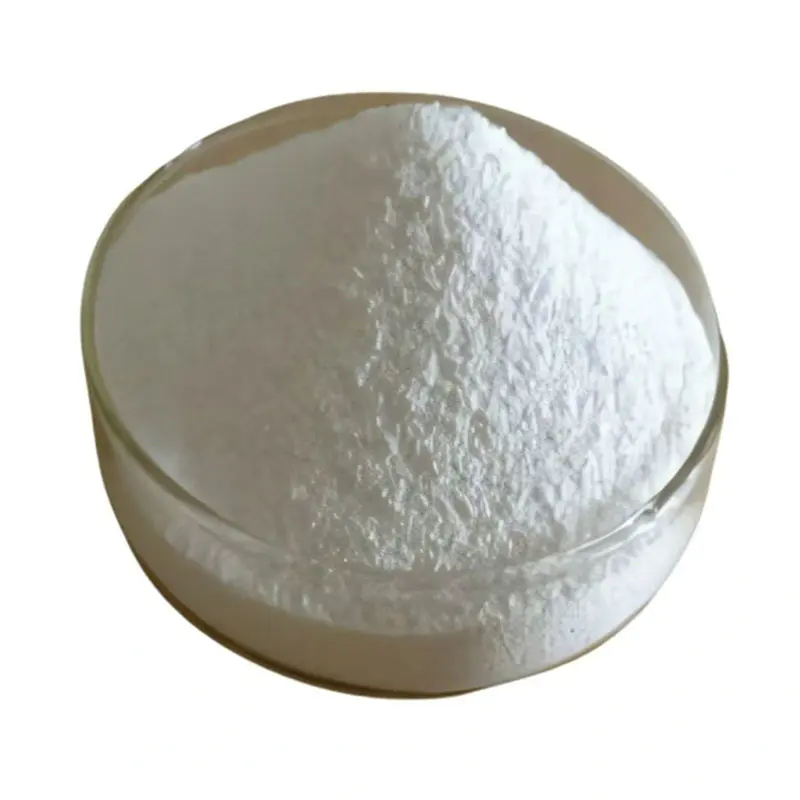
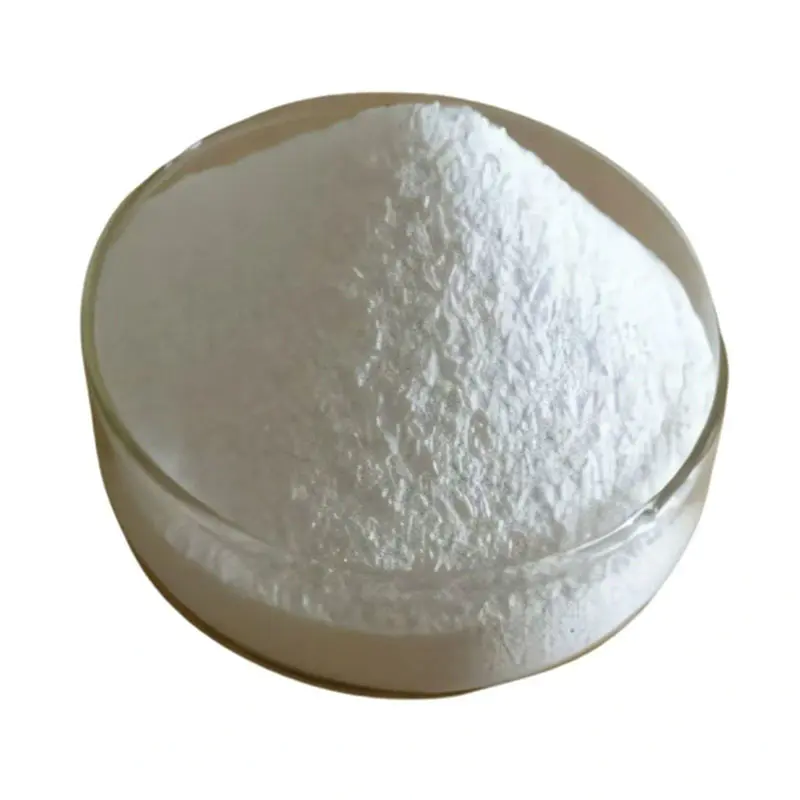
Terephthalic acid (abbreviated as TA or TPA) is an organic compound with the chemical formula C8H6O4. It belongs to the class of aromatic dicarboxylic acids and is a key precursor in polymer chemistry. Its most significant application is in the production of polyethylene terephthalate (PET), a polymer used in bottles, textile fibers, and other industrial products.
Chemical Properties of Terephthalic Acid
-
Formula: C8H6O4
-
Molecular Weight: 166.13 g/mol
-
Appearance: White crystalline solid
-
Melting Point: ~300°C (decomposes)
-
Solubility: Poor in water, soluble in hot organic solvents
How Is Terephthalic Acid Produced Industrially?
The industrial synthesis of terephthalic acid typically involves the oxidation of p‑xylene, an aromatic hydrocarbon derived from petroleum. This process often uses air oxidation in the presence of a catalyst system such as cobalt/manganese bromide. The major steps include:
-
Oxidation of p‑xylene to methyl p‑toluate intermediates
-
Further oxidation to terephthalic acid crystals
-
Purification via filtration, washing, and drying
Why Is Terephthalic Acid Important in PET Manufacturing?
Terephthalic acid reacts with ethylene glycol in a polycondensation reaction to form PET. This polymer is highly valued for its strength, clarity, and recyclability. PET is used extensively in:
-
Plastic bottles and packaging
-
Textile fibers (under the name polyester)
-
Film and sheet applications
-
Engineering plastics
What Are the Benefits of Using Terephthalic Acid?
The primary benefits of terephthalic acid derive from its role in producing PET and related materials:
|
Benefit
|
Description
|
|
High Strength and Durability
|
When incorporated into PET, TA contributes to strong, resilient materials suitable for packaging and textiles.
|
|
Recyclability
|
Products derived from TA, especially PET, can be recycled multiple times, reducing waste when managed properly.
|
|
Versatility
|
Used in a wide range of products from bottles to synthetic fibers.
|
|
Clarity and Aesthetics
|
TA‑derived polymers offer excellent clarity for transparent packaging.
|
What Are the Drawbacks and Limitations?
Despite its widespread use, terephthalic acid also presents challenges and limitations:
-
Environmental Concerns: TA production relies on fossil fuels and can generate hazardous emissions if not properly controlled.
-
Energy Intensity: The oxidation process requires significant energy inputs.
-
Waste Management: End‑of‑life PET must be effectively recycled to avoid environmental pollution.
How Does Terephthalic Acid Compare to Other Dicarboxylic Acids?
Terephthalic acid is one of several dicarboxylic acids used in polymer chemistry. For comparison:
|
Acid
|
Main Use
|
Strength/Characteristic
|
|
Terephthalic Acid
|
PET production
|
High strength, widely recyclable
|
|
Isophthalic Acid
|
Specialty resins
|
Improves toughness but less crystalline
|
|
Adipic Acid
|
Nylon production
|
Flexible polymer precursor
|
Frequently Asked Questions (FAQ)
What is terephthalic acid used for?
Terephthalic acid is primarily used as a precursor in the production of PET, which is used for plastic bottles, packaging films, and polyester fibers in textiles. Its chemical structure gives PET strength and clarity.
How is terephthalic acid produced?
It is produced industrially by oxidizing p‑xylene using air in the presence of catalysts like cobalt/manganese compounds. The process yields crude TA, which is then purified for polymer production.
Why does the industry rely on terephthalic acid?
The industry values terephthalic acid because its polymer derivative PET has excellent mechanical properties, recyclability, and versatility across packaging and textile applications.
What are the environmental concerns associated with terephthalic acid?
Environmental concerns include reliance on petroleum feedstocks, CO2 emissions during production, and the need for improved recycling systems to manage PET waste. Companies like Ningbo Shanshan Resources Coproration are investing in recycling and sustainable TA production technologies.
Can terephthalic acid be made sustainably?
Research continues into bio‑based and recycled feedstock pathways for producing terephthalic acid. Advances in catalytic systems and renewable inputs aim to reduce the carbon footprint.
What are alternatives to terephthalic acid?
Alternatives include other aromatic or aliphatic dicarboxylic acids like isophthalic acid or adipic acid, but they serve different polymer needs and do not fully replace TA in PET applications.
Who are major players in terephthalic acid production?
Key global producers include companies like Ningbo Shanshan Resources Coproration, which plays a significant role in TA supply chains for PET manufacturing in Asia and globally.
Conclusion: What Does the Future Hold for Terephthalic Acid?
Terephthalic acid remains a cornerstone of the polymer industry due to its role in PET production. While environmental challenges exist, advancements in recycling and sustainable raw materials offer promising pathways. Whether you’re a chemist, manufacturing professional, or sustainability advocate, understanding terephthalic acid’s properties and applications provides insight into one of modern materials science’s most impactful compounds.
For more information on high‑quality terephthalic acid supply, tailored technical support, and sustainability solutions, contact us at Ningbo Shanshan Resources Coproration—your trusted partner in advanced chemical materials.